
Research & Impact
Evidence we can stand behind.
We publish what participants told us, and we say plainly where a claim is still being established. No efficacy percentages that have not been independently verified.
Phase 1 and Phase 2
What participants reported
Findings from structured evaluation sessions with survivors and practitioners.
- 77participants across Phase 1 and Phase 2
- 4.6/5average rating for therapeutic benefit
- 100%reported a positive experience
- 80%said it helped them feel more ready for further support
These figures come from structured evaluation sessions with survivors and practitioners across Phase 1 and Phase 2. We share what participants told us, and nothing beyond it.
How the evidence is built
Research, evaluation and partnership
Six streams of work — with universities, frontline services and the survivors shaping each release.
University research collaborations
Working with the University of Leeds and the University of Huddersfield on the design and evaluation of trauma-informed immersive support.
NHS engagement
Engaging with NHS teams to understand how immediate support can sit alongside clinical pathways. Named partnerships are not published at this stage.
Frontline service partnerships
Working with frontline service partners including Staying Put and Reflection CIC to test in real settings.
Participant testing
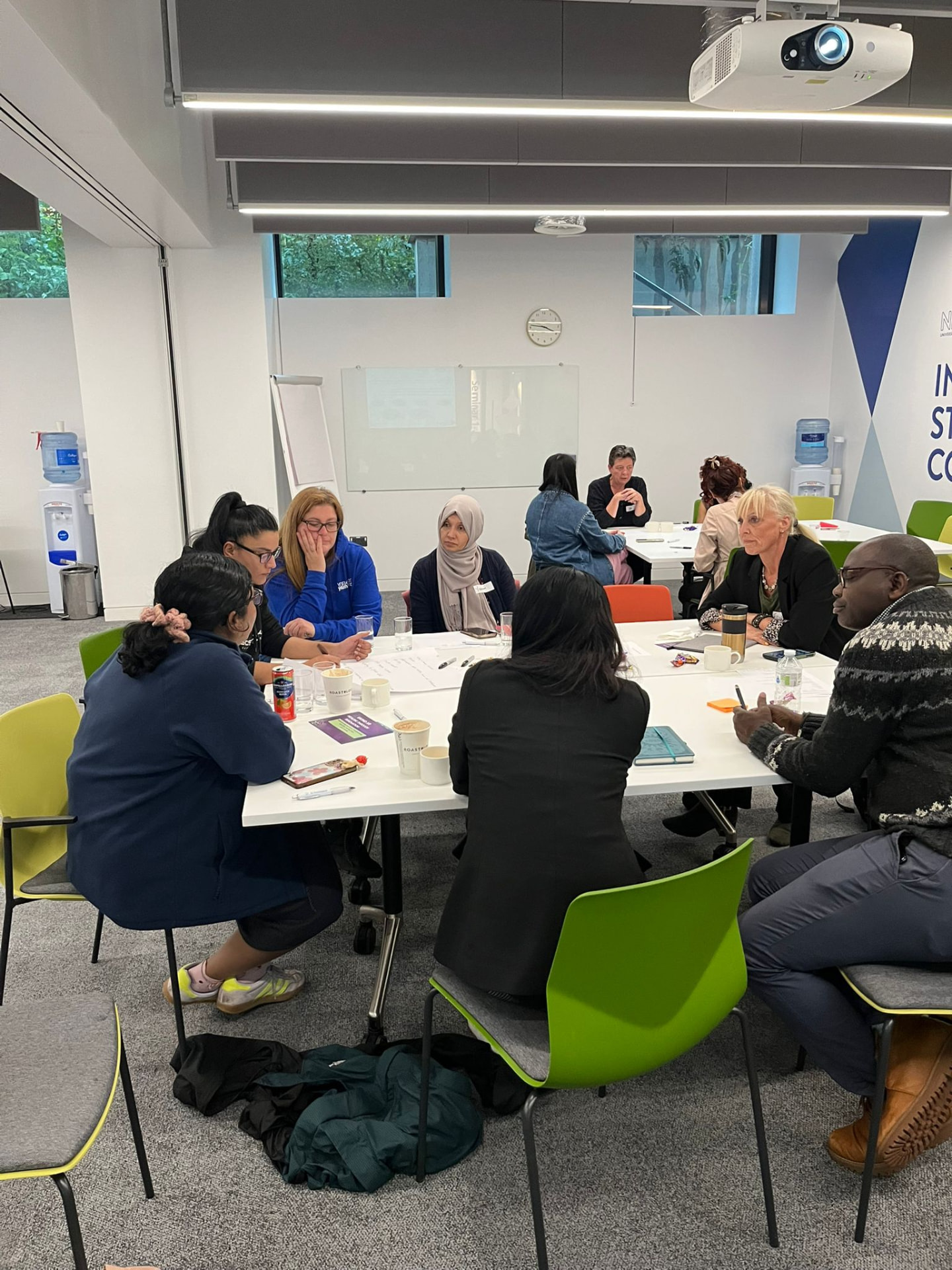
Structured testing sessions with survivors and practitioners shaping each release — 77 participants across Phase 1 and Phase 2 so far.
Research and evaluation
We are still building this out: an evaluation framework so impact can be measured honestly over time.
Accessibility research
Our next phase: accessibility research supported by an Impact Acceleration Account (IAA) grant with the University of Leeds, so support reaches more people.
Ethics and safeguarding
Research that does not cost participants anything
Taking part is voluntary, reversible and supported.
- Informed consent, with the right to stop at any point and no reason required.
- Sessions run within safeguarding frameworks, with a person available throughout.
- Data minimised by design, and never used to make decisions about someone's care.
- Findings shared back with participants before they are shared publicly.
Researching this with us?
We are looking for academic, NHS and frontline partners for the next phase of evaluation.